
5 ways lectins contribute to glycobiology
Lectins are powerful tools with many uses in glycobiology. Discover the ways you can use lectins in your research.
Vector Laboratories' blog provides a wealth of information on immunohistochemistry (IHC), immunofluorescence (IF), and related life science research topics.
Lectins are powerful tools with many uses in glycobiology. Discover the ways you can use lectins in your research.

Find out how two brilliant scientists are studying complex carbohydrate chains to fight cancer in this article about glycobiology and tumorigenesis.

The parasitic sea lamprey has long remained the fishermen’s nightmare for harming fish in the Atlantic Ocean. However, their unique immune system could pave the way to substantial improvements in human glycome analysis. We review... Read more

Pancreatic cancer is one of the deadliest cancers, especially when diagnosed at a later stage because of the lack of accurate biomarkers. Linking these biomarkers to cellular modifications is a promising approach to improve tumor... Read more

Incorporating glycan analysis into your workflows is easier than you may think–especially when you use lectins, which are compatible with many commonly used lab assays. Join us as we walk through the key considerations to... Read more

Lectins are essential in recognizing abnormal cell glycome and mediating tumor progression. That said, they can also be leveraged to enhance our knowledge of the glycome profiles of various cancers.
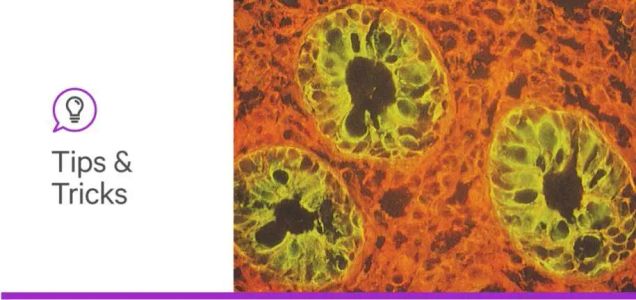
Why does glycobiology—the study of sugar chains—matter so much to our health? From the simplest to the most branched, carbohydrates are the key players in cellular functions—both healthy and pathological. This article summarizes the key... Read more

Glycosylation networks have massive biomarker potential for breast cancer diagnosis and treatment. This study explores yet another alteration in breast cancer glycan profile: bisecting GlcNAc.

The study closely examined the glycan structures and glycoprotein expression in muscle-invasive bladder cancer, leading to the discovery of a novel biomarker: HOMER3. This article elaborates on preliminary results about the role of HOMER3 in... Read more

Since it was first described in 1906 by Alois Alzheimer, physicians and scientists have been searching for clues to the debilitating neurological condition Alzheimer’s disease (AD). To diagnose and treat the disease at its earliest... Read more